
5 Signs You’re Experiencing Matrescence (and Not Just Mood Swings)
Emotional Fitness Through Body-Based Awareness
A New Definition of Strength
For centuries, strength has been defined by how much we can carry, push through, or endure—often at the cost of our emotional and energetic well-being. We’ve learned to “hold it together,” to “stay strong” even when we’re hurting, and to ignore the quiet whispers of the body.
But a new paradigm is emerging. One where strength is not about force, but about feeling. Where power doesn’t mean tension, but presence. Where the feminine is not weak or passive—but deeply intuitive, wise, and resilient.
This is the rise of somatic movement—a practice of connecting with the body not to control it, but to listen, honor, and heal.
What Is Somatic Movement?
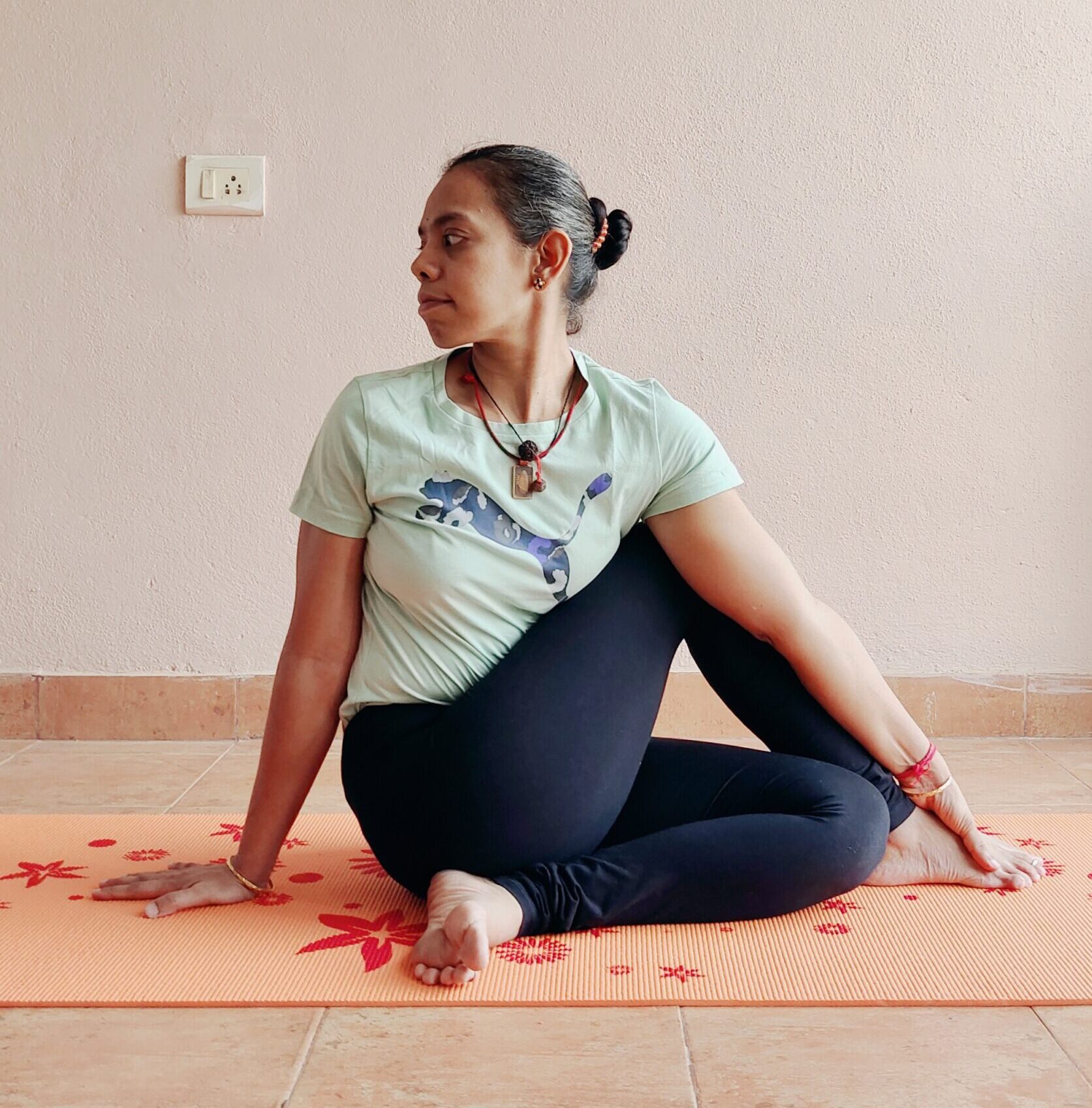
Somatic movement is a body-centered and nervous system-aware practice that helps you tune in to internal sensations, emotional landscapes, and energetic patterns. “Soma” means the body as experienced from within—so this is not about achieving external poses, but deepening inner awareness.
Through breath-led flows, micro-movements, intuitive expression, and conscious rest, somatic practices allow your body to release stored tension, trauma, and emotion in a safe and nourishing way.
Why It Matters (Especially for Women & Mothers)
The female body stores emotion cyclically and deeply—especially in the womb, pelvis, and heart. Unprocessed stress, trauma, or societal pressure to “be strong” often gets lodged in these spaces, leading to chronic fatigue, burnout, hormonal imbalances, or emotional disconnection.
Somatic movement provides a safe path back to self. It’s a portal to:
- ● Releasing grief, guilt, shame, and stuck energy
- ● Building emotional resilience without suppressing emotion
- ● Reclaiming feminine flow, softness, and pleasure
- ● Awakening the body's natural rhythm and intuitive guidance
- ● Restoring nervous system balance, especially after birth or trauma
Somatic Movement vs Traditional Strength Training
Traditional Strength Training
Focus on muscles & form
Goal-oriented & performance-based
Often fast-paced or repetitive
Builds physical endurance
Externally validated (“how you look”)
Somatic Movement
Focus on sensation & feeling
Process-focused & restorative
Slow, mindful, and intuitive
Builds emotional capacity & nervous system regulation
Internally led (“how you feel”)
Benefits of Somatic Movement:
- ● Emotional release without needing to talk through everything
- ● Deep relaxation, nervous system healing, and better sleep
- ● Enhanced body trust and sensitivity
- ● Greater self-compassion and less self-judgment
- ● Reduced anxiety, tension, and hormonal stress
- ● Support for fertility, postpartum recovery, and trauma healing
- ● Reconnection to joy, pleasure, and body wisdom
Practices That Embody This Feminine Strength:
- ● Pelvic bowl breathing to restore womb connection
- ● Somatic yoga flows with soft movements and pauses
- ● Shake, sound & stillness to release built-up tension
- ● Emotional movement journeys—dance, cry, curl, unfold
- ● Guided body scans and Yoga Nidra for cellular release
- ● Feminine embodiment rituals—moon salutation, womb altar, intuitive journaling
🌸 Who It’s For:
● Women moving through pregnancy, postpartum, fertility, or hormonal changes
● Teen girls and young women exploring their body-emotion connection
● Burnt-out mothers and professionals longing to feel again
● Anyone who’s ever felt “too sensitive,” “numb,” or “disconnected”
● Coaches, healers, and space holders ready to rise through softness
Emotional Fitness: The New Strength
What if your softness is your superpower? What if slowing down could actually awaken more clarity and courage than speeding up? What if your body already holds every answer you’re seeking?
The Feminine Rise is about remembering that your strength isn’t in the armor—it’s in your ability to feel, respond, and rise with grace.